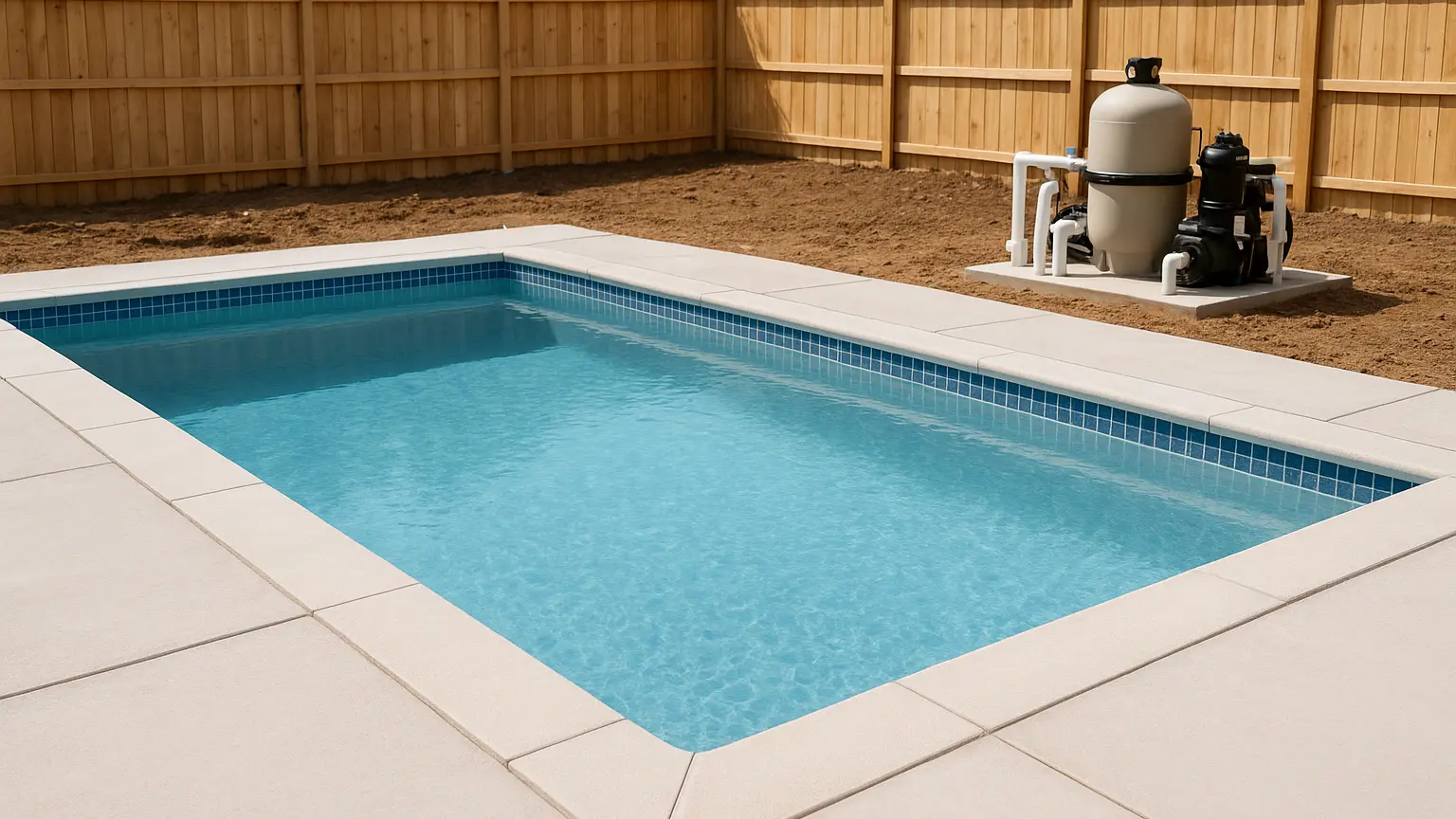
A new pool looks finished the moment the water reaches the tile line. It isn't. Fresh plaster is still curing, the chemistry has not settled, and the pump, filter, and heater have never run a full season together. Almost every expensive problem a pool owner faces in year one starts quietly, in that gap between "the build is done" and "I know what I'm doing."
This series is written for the owner standing in that gap. The crew has packed up, the warranty paperwork is in a drawer, and the care is now yours. Technical input from H2O Pool Service, a service and repair company that spends its days fixing what neglect leaves behind, helped shape the priorities in each part below.
It also works for anyone who inherited a pool with a house and has been guessing ever since. The habits are the same. The parts below move in order through the three moments that decide whether a pool ages beautifully or badly: the first month, the weekly rhythm, and the seasonal handoff into cold weather.
From Fresh Plaster to Freeze

The first stretch of the series covers the break-in period, which is the least forgiving month a pool will ever have. New plaster releases dust and raises pH on its own, and the water reacts. Get the balance wrong and you do not get a temporary problem. You get etching, mottling, and mineral scale that stay in the surface for its entire life.
That part walks through the brushing schedule that actually matters, how often to test in those early weeks, how long the filter should run each day while the surface sheds, and how to bring calcium hardness and alkalinity into range without shocking the plaster. It also covers the "don'ts" that owners break constantly out of pure excitement: no swimming yet, no heater, no vacuum head dragged across a soft surface, no salt added too early.
None of it is complicated. It is just time sensitive, and there is no second attempt once the finish hardens around a mistake.
Once break-in ends, the pool settles into a rhythm, and the middle part of the series builds that rhythm into something repeatable in twenty minutes a week. Water does not go bad overnight. It drifts, then it tips, and the drift is easy to catch if you know what you are looking at.
That part covers the weekly loop and the reasoning behind each step:
- Test first, adjust second: chlorine, pH, alkalinity, and stabilizer, in that order of attention.
- Brush the walls and steps where algae anchors before it is visible.
- Empty skimmer and pump baskets so the pump is not starving for water.
- Watch filter pressure and clean on the gauge, not on the calendar.
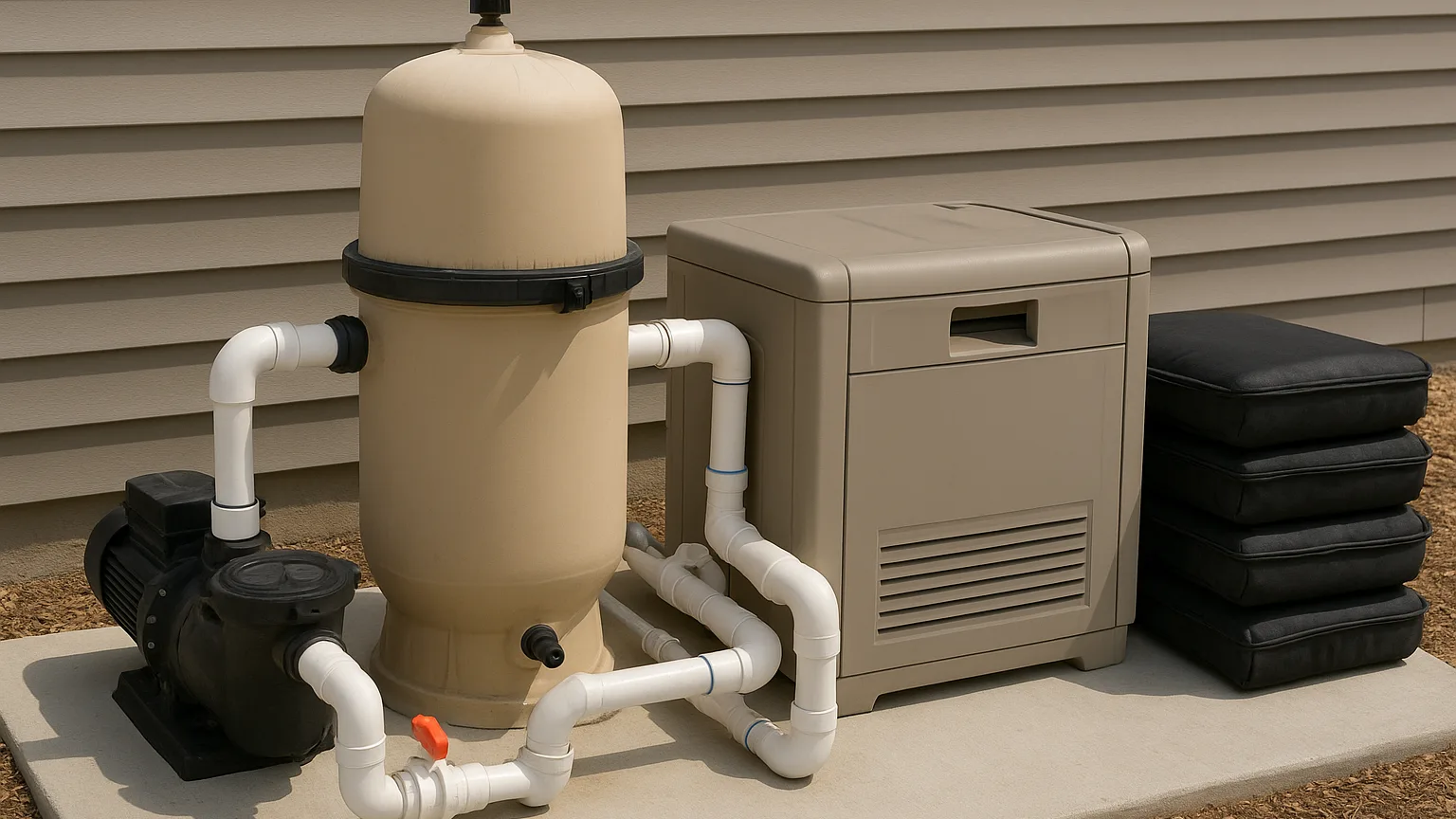
It also draws the line most owners miss: when to stop pouring chemicals and make a call. Cloudy water that will not clear, a pump that whines or loses prime, and short cycling on the heater are signals for equipment repairs, not another jug of shock. Owners running automated controls get a shorter routine, though automation manages the schedule, not the chemistry.

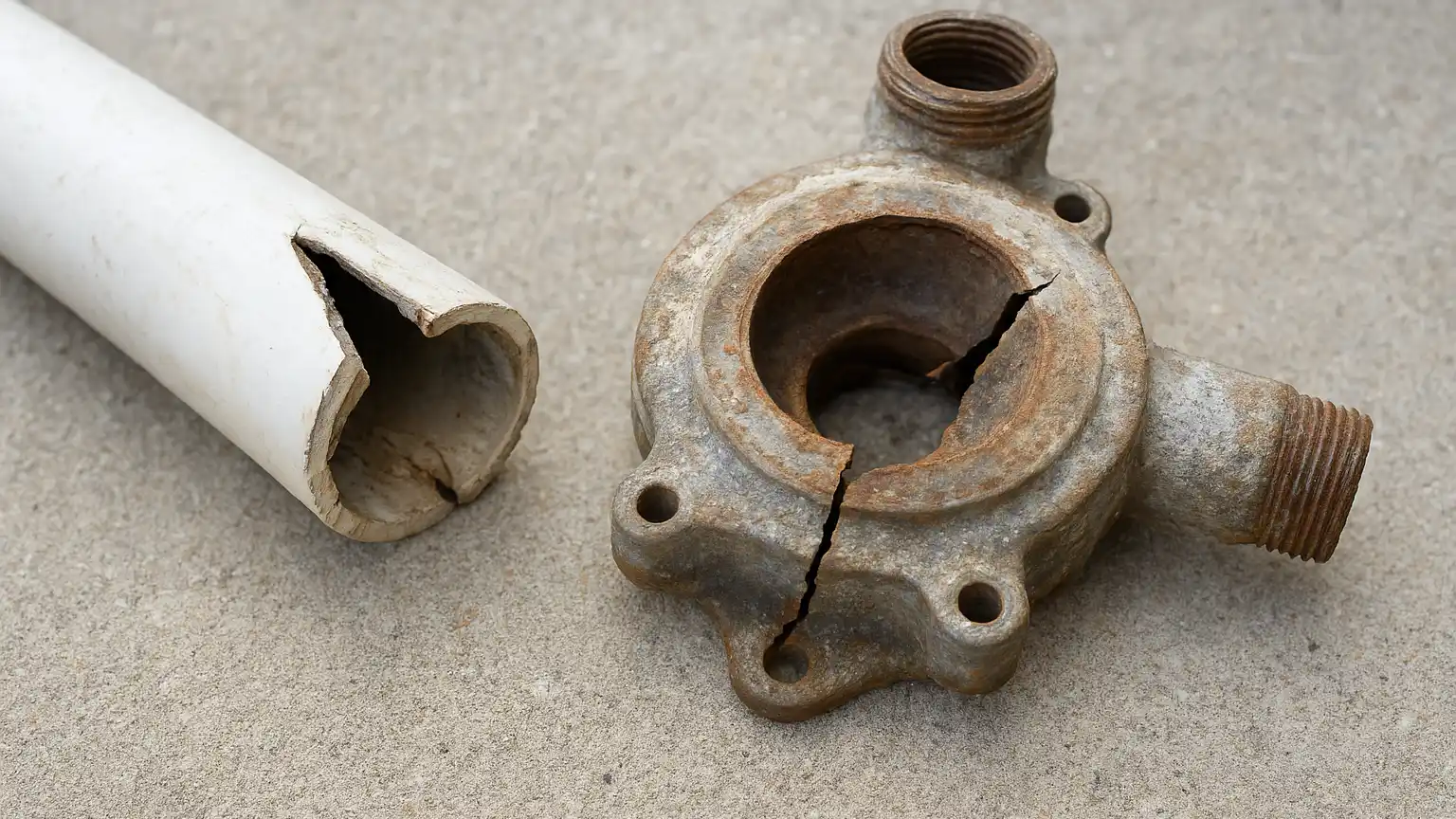
The final part deals with the season change that costs the most money when it is handled late. Water expands as it freezes, and a few ounces trapped in a return line or a pump volute is enough to crack housings and split pipe underground. Many equipment warranties also exclude freeze damage outright, which turns a missed weekend into a full replacement.
That part covers lowering the water below the skimmers, blowing out and plugging the lines, draining the pump, filter, and heater, and protecting exposed plumbing at the pad. It weighs solid covers against mesh, explains why a sagging cover creates its own problems, and notes the point at which an aging pad is better served by replacing worn equipment than nursing it through another winter.
Spring gets equal weight. Reopening in the right order, with the cover cleaned, the lines refilled, and the chemistry corrected before the water warms, is what separates a swimmable pool in April from a green emergency in May.
The Thread Running Through All Three
Read together, the parts make one argument: pool care is cheap when it is early and brutal when it is late. Balanced water protects the surface, a clean filter protects the pump, and a proper shutdown protects everything else. Skip a step in one season and you usually pay for it in the next.
Where to Jump In
If your pool was filled in the last few weeks, start at the beginning and read straight through. The break-in guidance is the most time sensitive material here, and the weekly routine makes more sense once you understand what the plaster is doing underneath it.
If you are past that window, go straight to the part that matches your calendar. Owners fighting cloudy water or an early algae bloom belong in the maintenance part. Owners watching the forecast drop belong in the winterizing part. Each one stands on its own, and together they cover the first year and every season after it.
Recent Posts